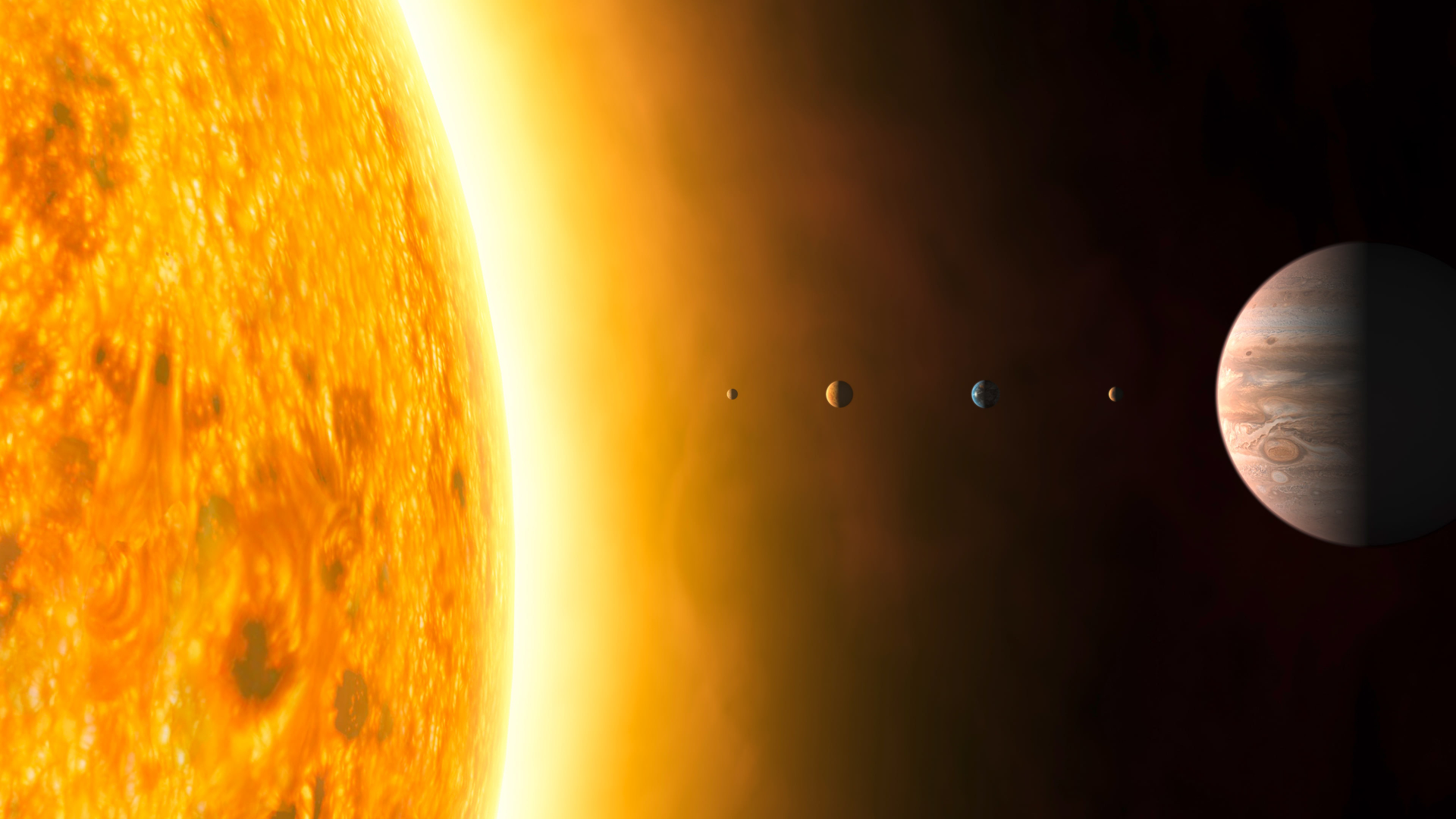
What is the Solar System
Have you ever looked up at the night sky and wondered about the vast expanse that surrounds our little blue planet? What lies beyond the shimmering stars and distant constellations? How did our solar system come into existence, and what forces shape its celestial dance? From the scorching embrace of the Sun to the icy realms of Pluto and beyond, the solar system beckons with mysteries waiting to be unraveled. How do planets form, and why are they so diverse in size and composition? Could there be other Earth-like worlds orbiting distant stars? Join us on a journey through the enigmatic realm of the solar system as we delve into its captivating wonders and seek answers to the cosmic questions that have captivated humanity for centuries.
Mysteries of Space
Life Beyond Earth: Possibilities and Search

Exploring Mars: Rovers and Missions
Gas Giants: Jupiter, Saturn, Uranus, Neptune
Planets of Solar System
Mercury
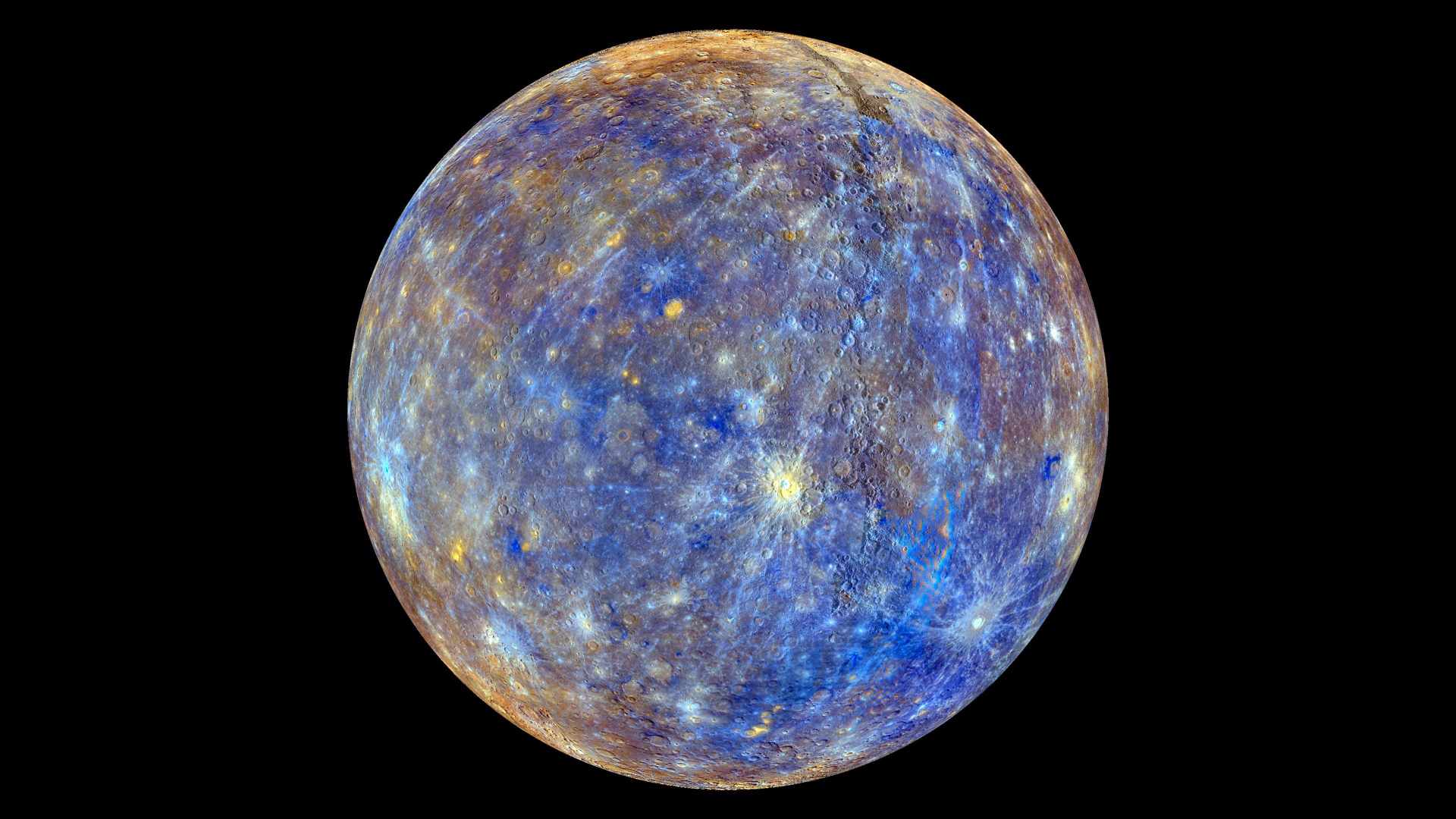
Mercury—the smallest planet in our solar system and closest to the Sun—is only slightly larger than Earth's Moon. Mercury is the fastest planet, zipping around the Sun every 88 Earth days.
Venus
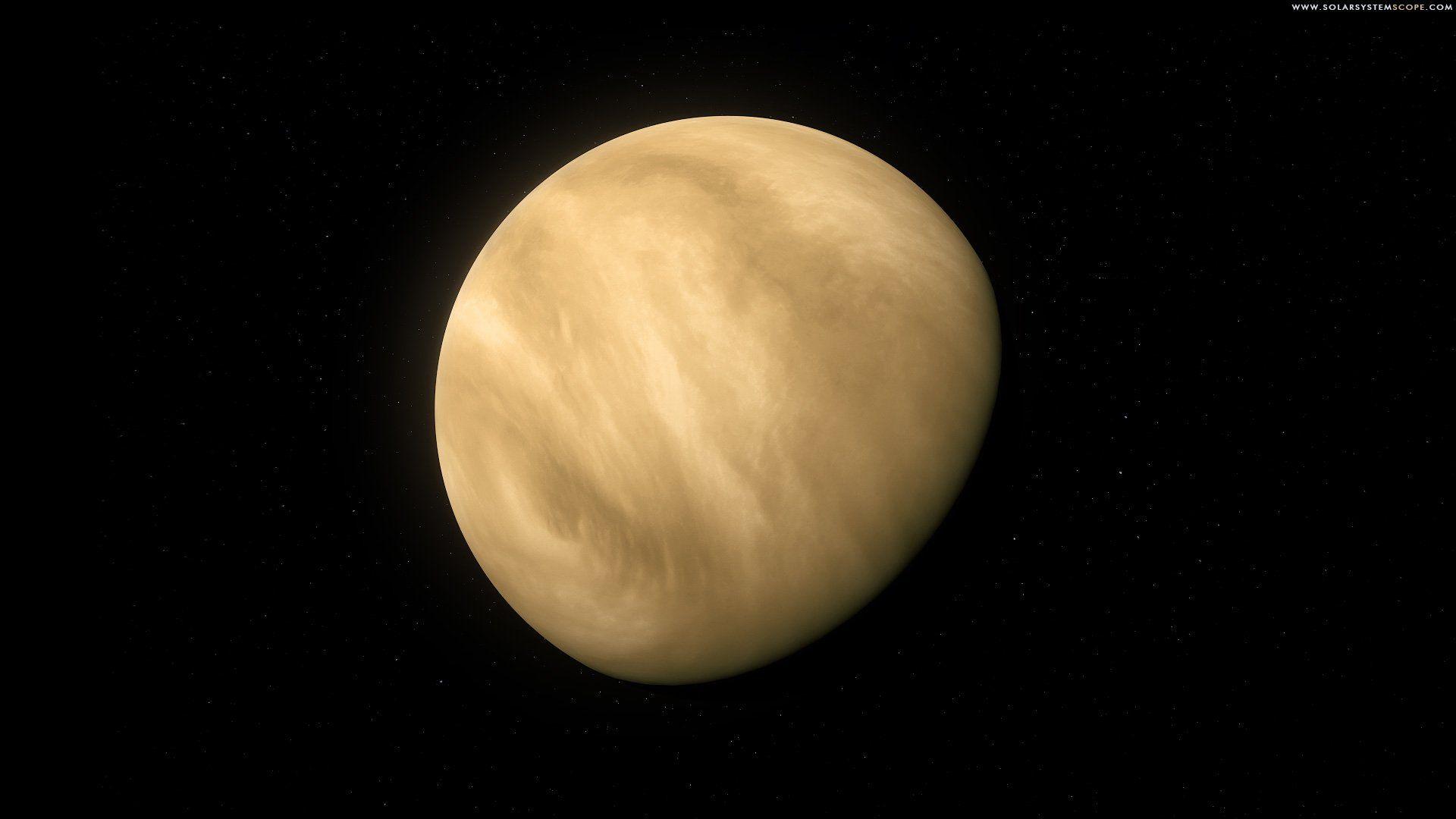
Venus spins slowly in the opposite direction from most planets. A thick atmosphere traps heat in a runaway greenhouse effect, making it the hottest planet in our solar system.
Earth
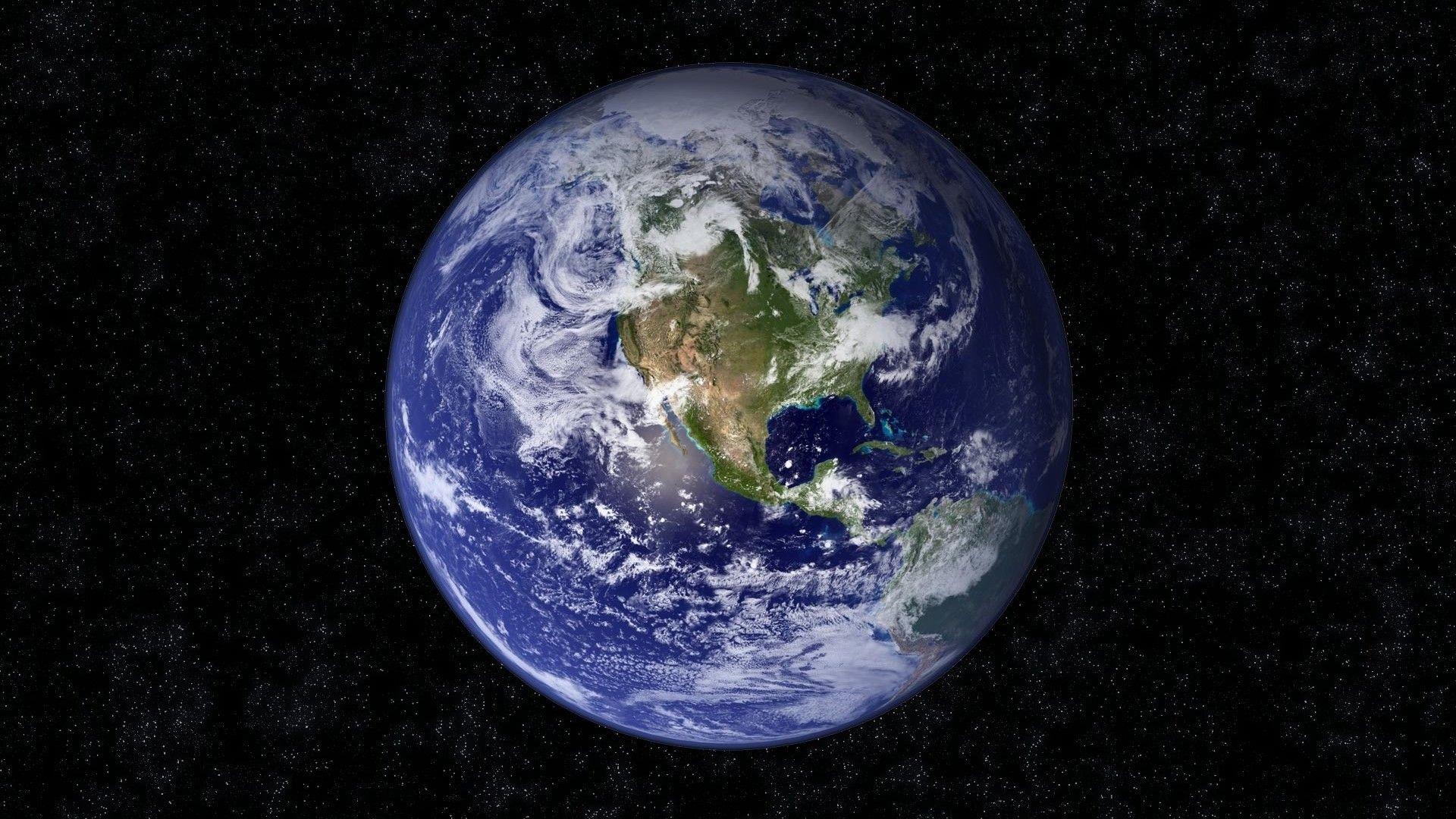
Earth—our home planet—is the only place we know of so far that’s inhabited by living things. It's also the only planet in our solar system with liquid water on the surface.
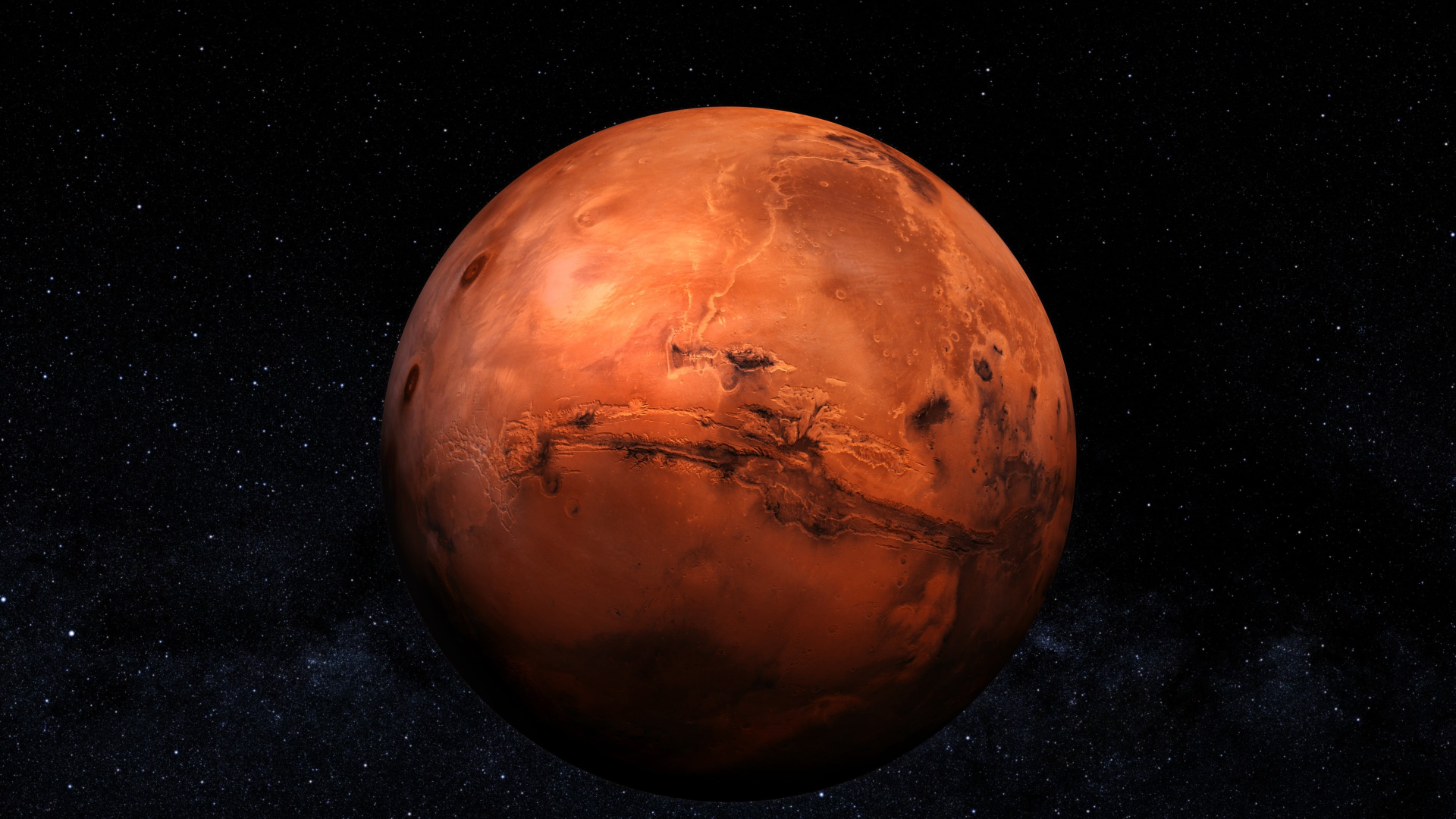
Mars
Mars is a dusty, cold, desert world with a very thin atmosphere. There is strong evidence Mars was – billions of years ago – wetter and warmer, with a thicker atmosphere.
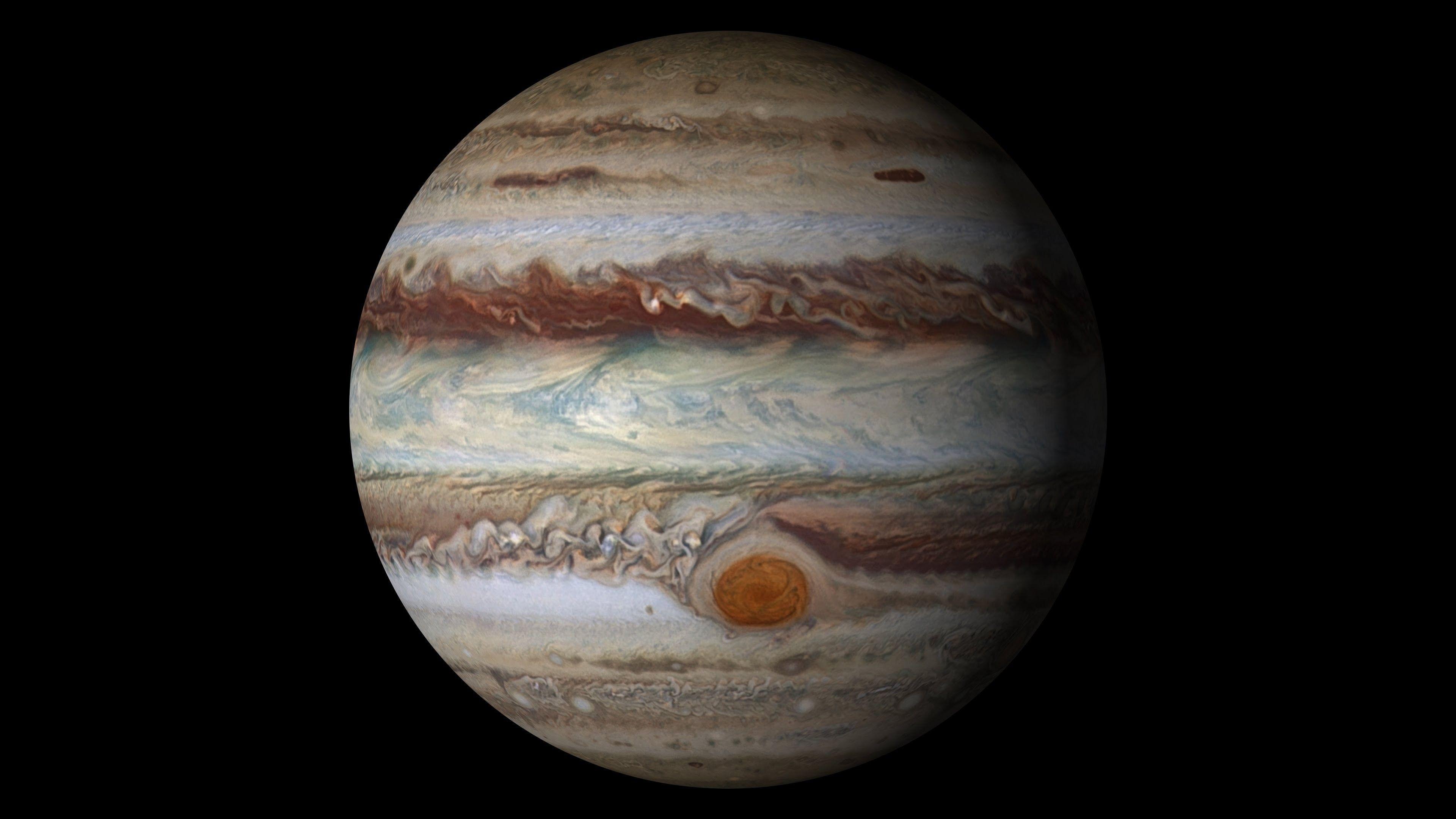
Jupiter
Jupiter is more than twice as massive than the other planets of our solar system combined. The giant planet's Great Red spot is a centuries-old storm bigger than Earth.
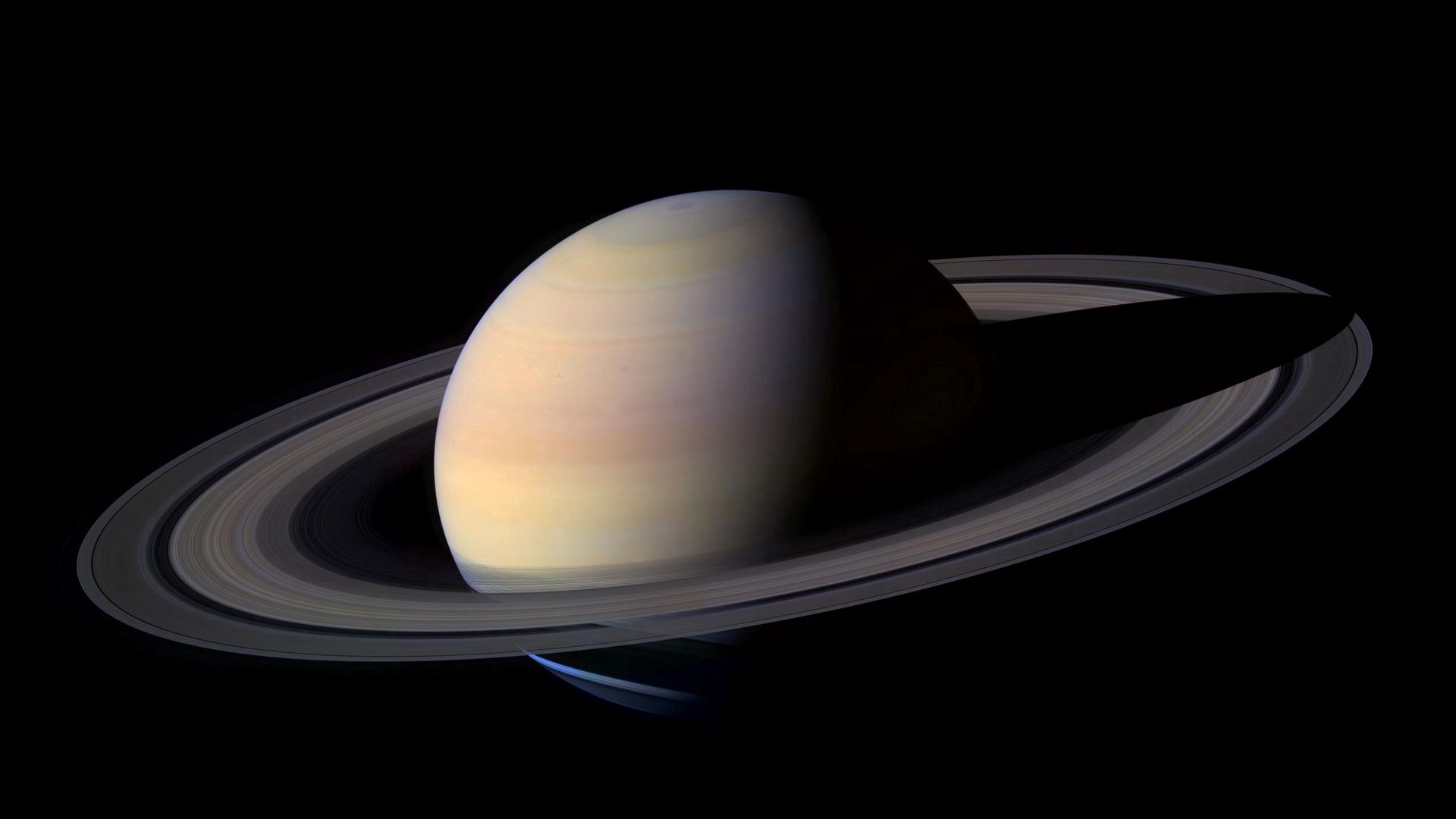
Saturn
Adorned with a dazzling, complex system of icy rings, Saturn is unique in our solar system. The other giant planets have rings, but none are as spectacular as Saturn's.
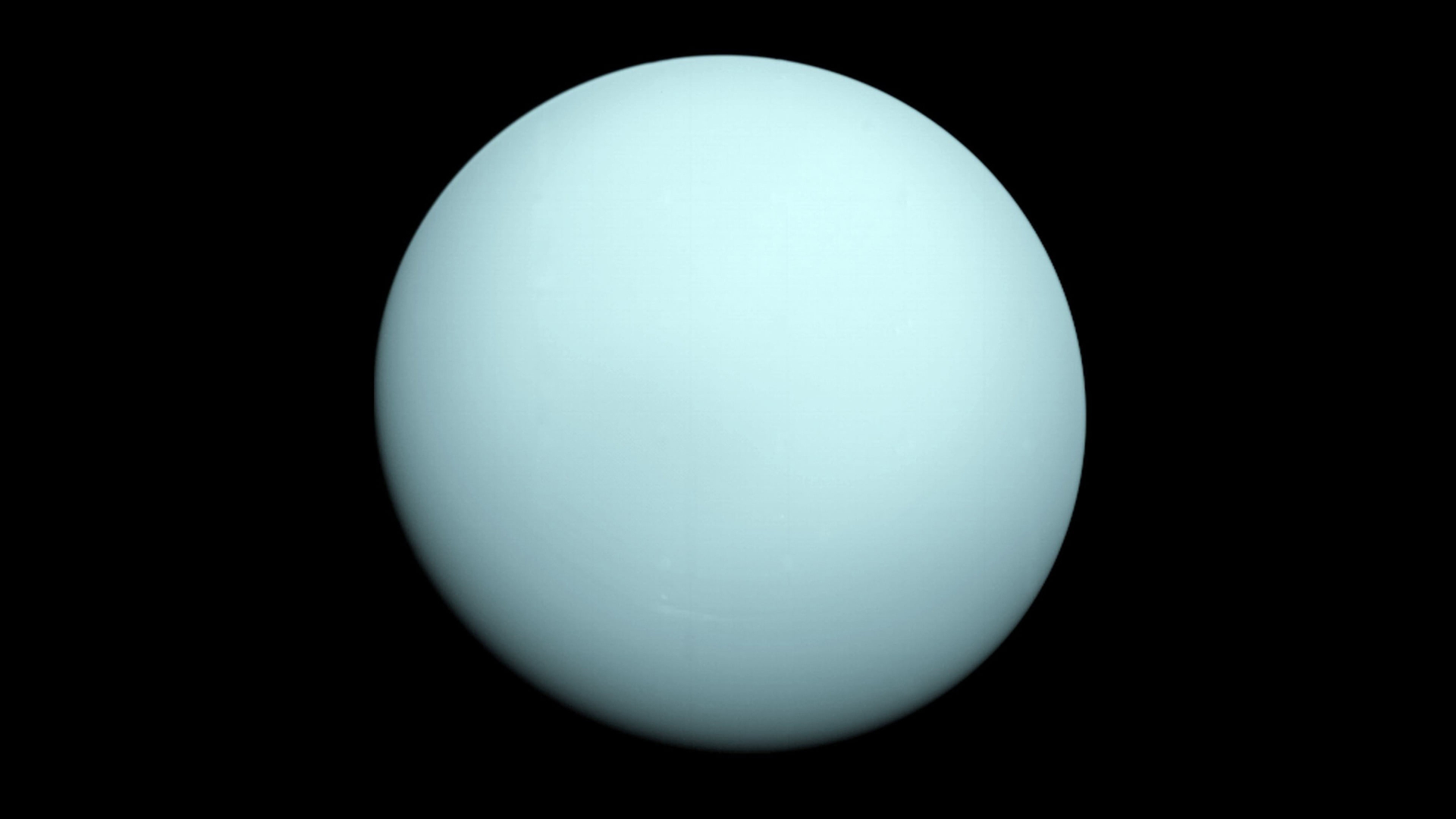
Uranus
Uranus, the seventh planet from the Sun, stands out with its distinct traits. Its axial tilt is unique, causing it to roll along its orbit. This icy giant exhibits a striking blue-green hue due to methane in its atmosphere.
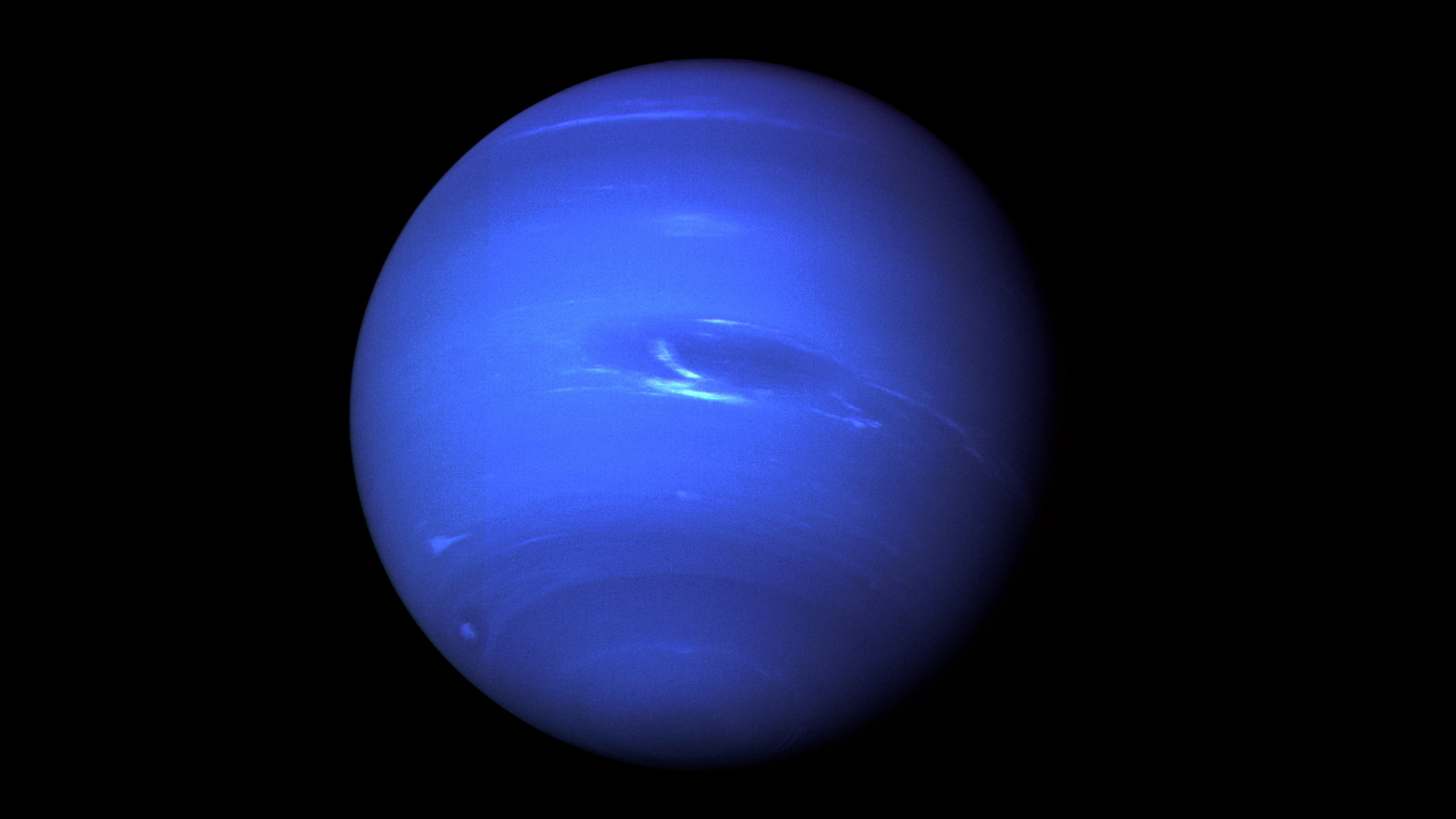
Neptune
Neptune—the eighth and most distant major planet orbiting our Sun—is dark, cold and whipped by supersonic winds. It was the first planet located through mathematical calculations.